.jpg?width=500)
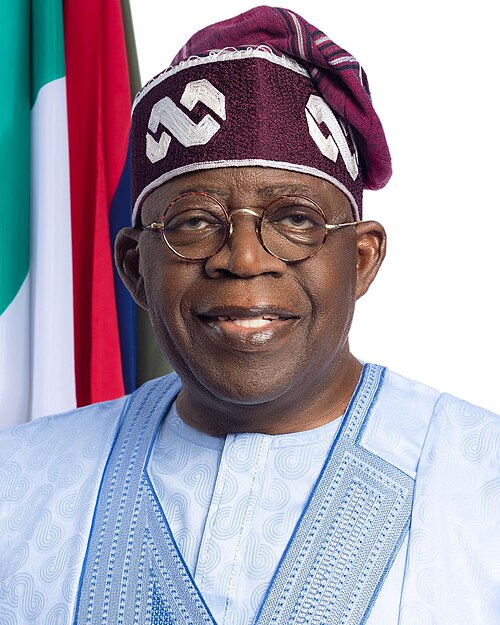
Bola Ahmed Tinubu
Former Lagos Governor (1999–2007). Removed fuel subsidy and floated the naira on day one. INEC declared 36.6% of valid votes in 2023; result was contested at the Supreme Court.
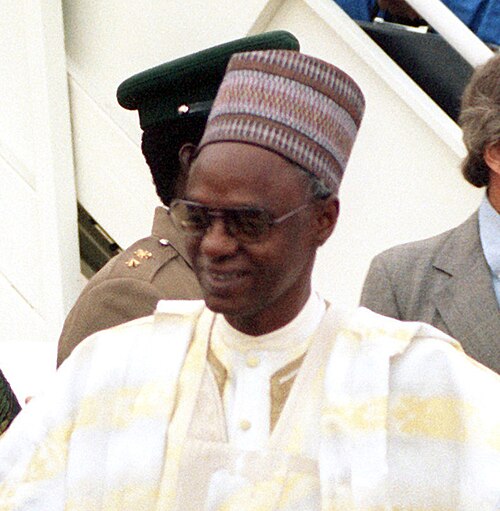
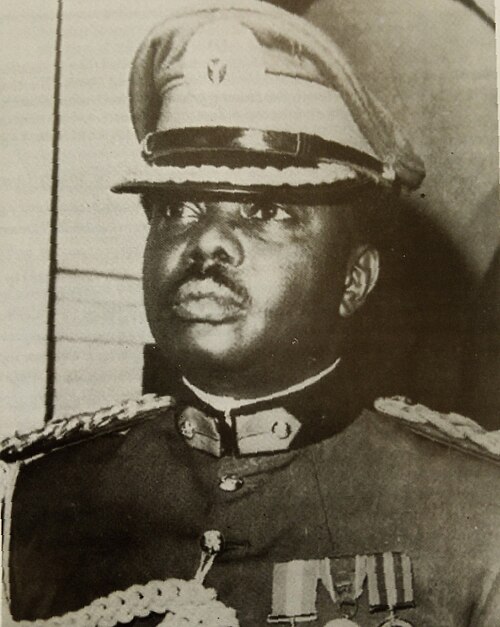
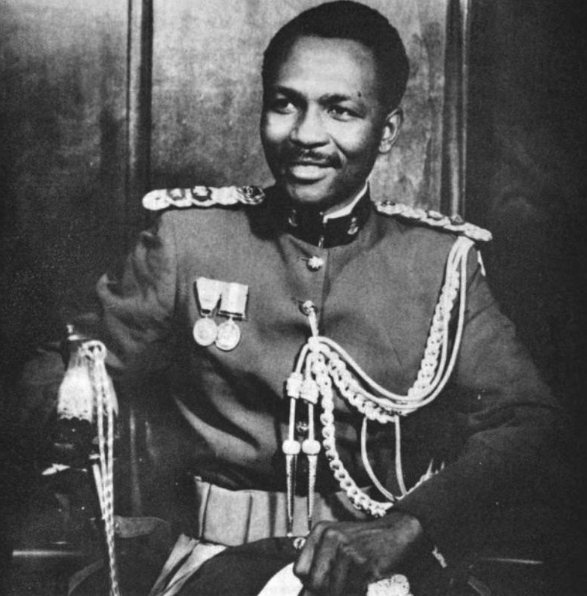
Every person who has led Nigeria since independence on 1 October 1960 — Prime Ministers, Military Heads of State, Interim leaders and elected civilian Presidents. Biographies, full terms, how they came to power and how they left.
This section is being converted from structural scaffolding into verified source-backed records. Treat unsourced fields as under review until each row displays a source link and confidence label. See our evidence standards and source-work roadmap.
.jpg?width=500)
Former Lagos Governor (1999–2007). Removed fuel subsidy and floated the naira on day one. INEC declared 36.6% of valid votes in 2023; result was contested at the Supreme Court.
.jpg?width=500)
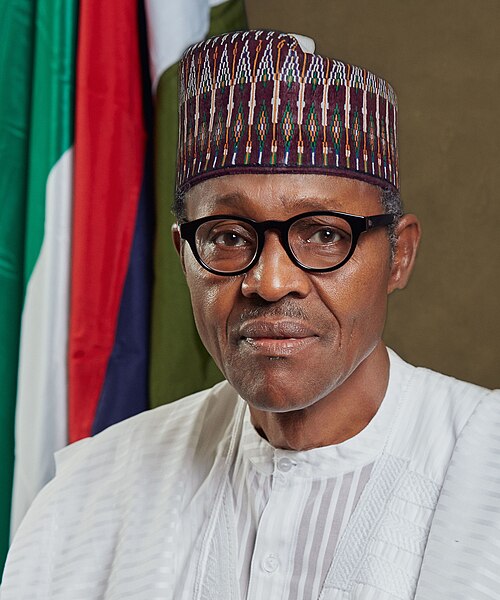
Returned to power 30 years after his first stint. Two recessions, naira redesign chaos (2022–23), and a sharp rise in public debt under his tenure.
.jpg?width=500)
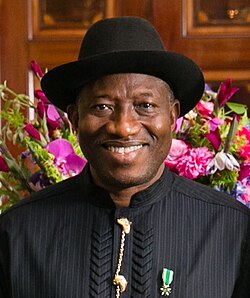
First president from a minority ethnic group. Conceded defeat to Buhari in 2015 — a first for an incumbent in Nigeria. Subsidy probe, Dasukigate and Chibok abduction defined his term.
.jpg?width=500)
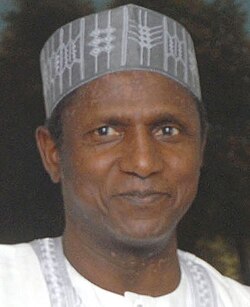
Introduced the Niger Delta amnesty programme (2009). Long medical absences triggered the 'Doctrine of Necessity' that elevated VP Jonathan to acting president.

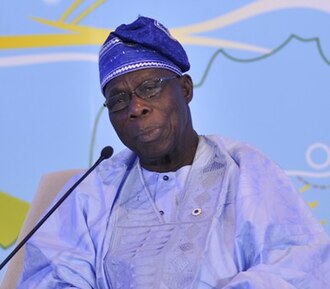
First president of the Fourth Republic. Secured Paris Club debt relief in 2005 (US$18B written off). Failed third-term bid in 2006.

Oversaw transition to civilian rule. Released political prisoners, drafted the 1999 Constitution, and handed over to elected civilian President Obasanjo.

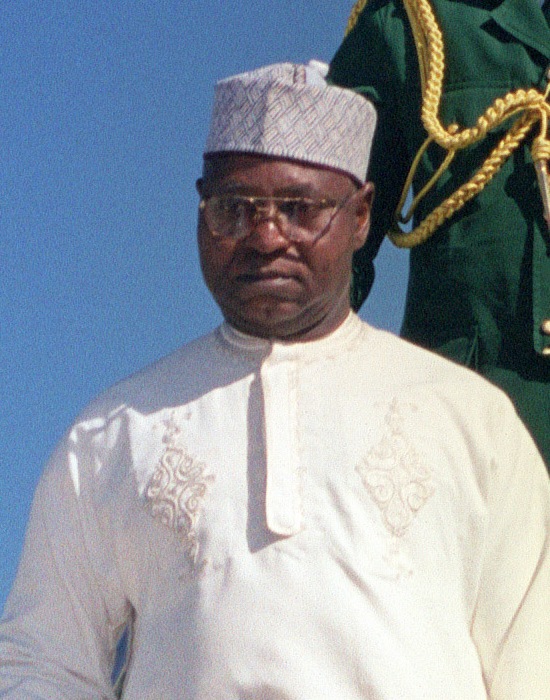
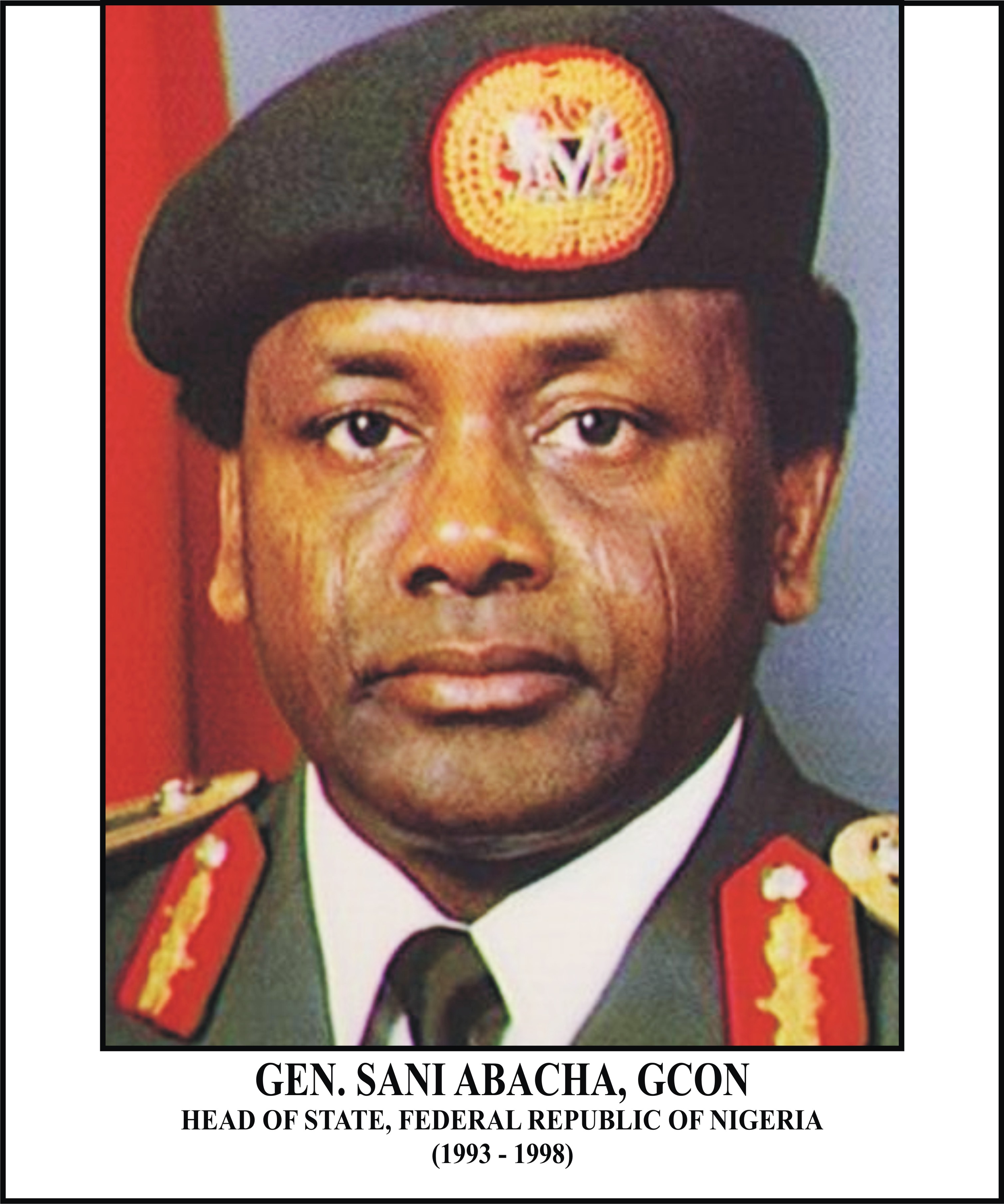
Most repressive military rule in Nigerian history. Hanging of Ken Saro-Wiwa (1995); massive looting of public funds — billions later repatriated by Switzerland, US, UK, Channel Islands.

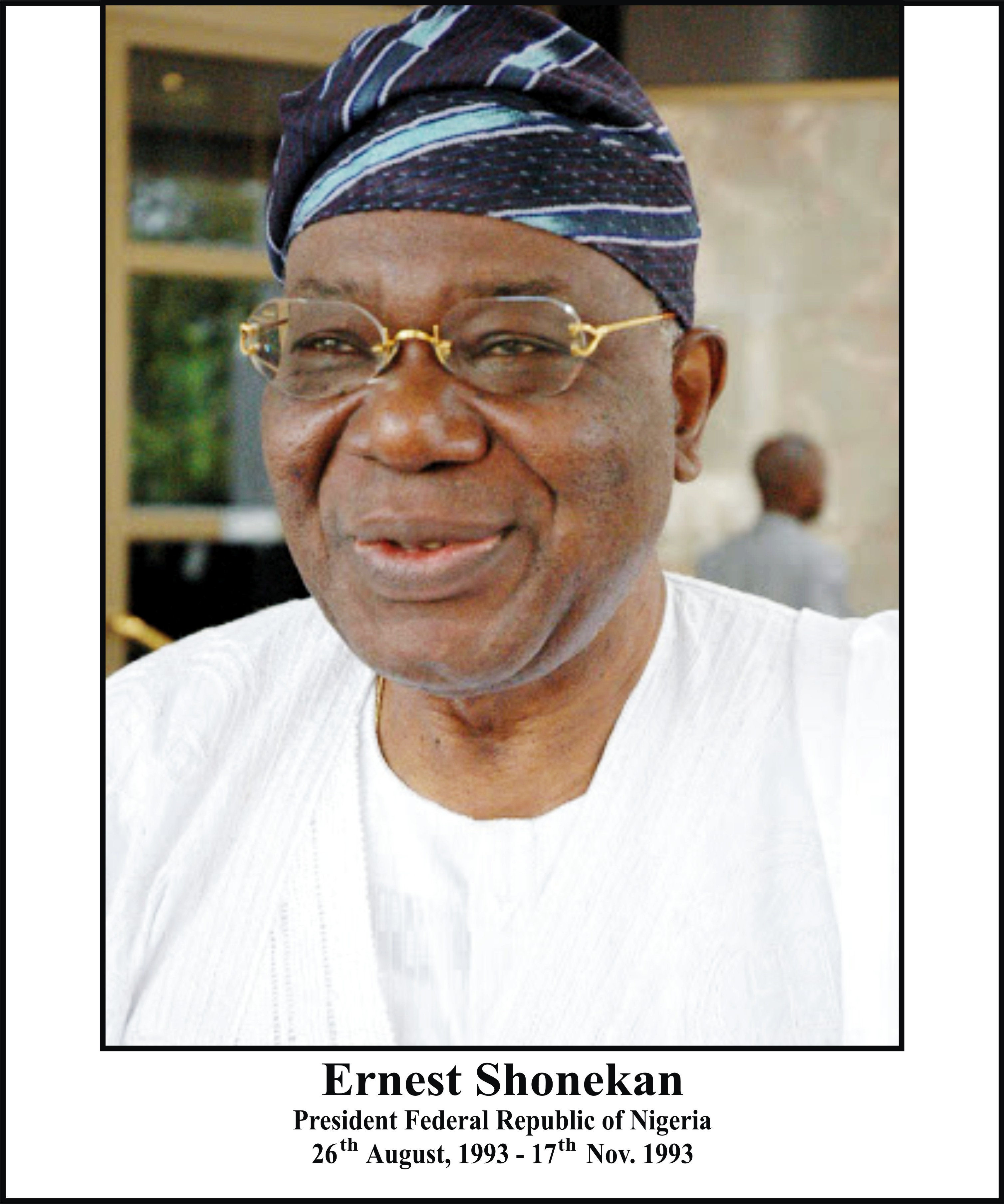
Headed the short-lived Interim National Government installed after Babangida 'stepped aside'. Removed by Sani Abacha after 82 days.

Self-titled 'President'. Implemented Structural Adjustment Programme (SAP). Annulled the 12 June 1993 election widely regarded as Nigeria's freest.
.jpg?width=500)
Led austere 'War Against Indiscipline' campaign. Jailed dozens of Second Republic politicians. Overthrown after 20 months.

First executive President under the 1979 Constitution. Second Republic ended when his re-elected government was overthrown.

Completed transition to civilian rule. First African military head of state to peacefully hand over to an elected civilian government.

Launched sweeping civil service purge and began the relocation of the capital to Abuja. Assassinated in a failed coup led by Lt. Col. Buka Suka Dimka.

Led Nigeria through the Civil War (1967–1970). Oversaw oil boom and creation of 12 states. Overthrown while attending an OAU summit.

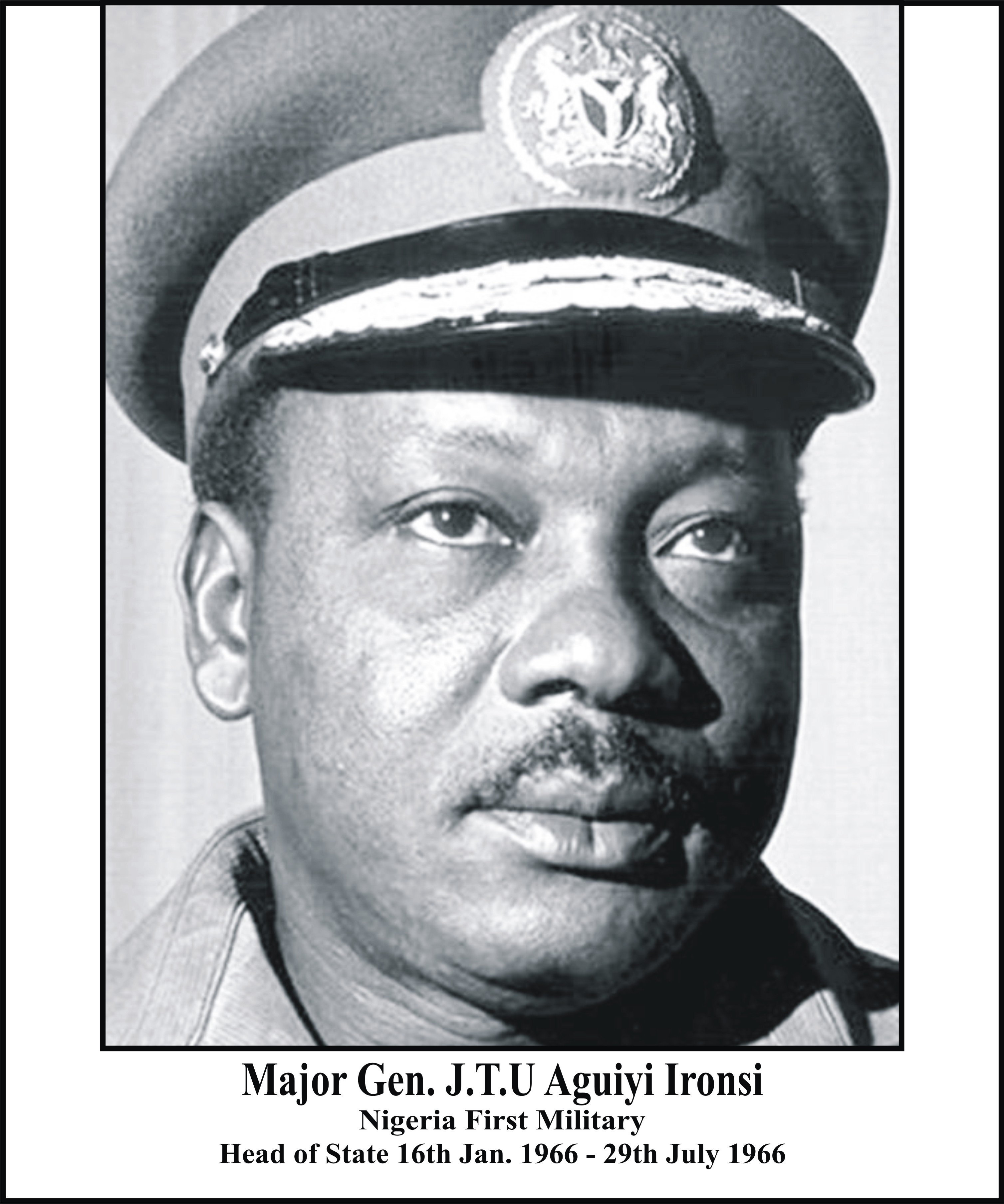
Head of State after the January 1966 coup. Issued the Unification Decree 34 abolishing the federal system, contributing to ethnic tensions.
.jpg?width=500)
First President of Nigeria when the country became a republic in 1963. Largely ceremonial role; executive power rested with the Prime Minister.

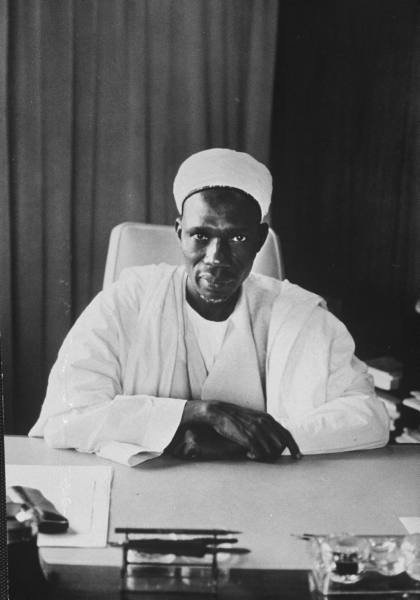
First and only Prime Minister of independent Nigeria. Teacher and administrator; led the federal government from independence until killed in Nigeria's first military coup.
Portraits from Wikimedia Commons under public-domain or CC licences. Each image carries the credit line stored in the data file. Submit a higher-quality replacement viaCorrections.
Deficit and debt-added figures shown above are indicative and not yet row-by-row linked to DMO/CBN/Federal Budget Office releases. Treat as scaffolding pending verification.